


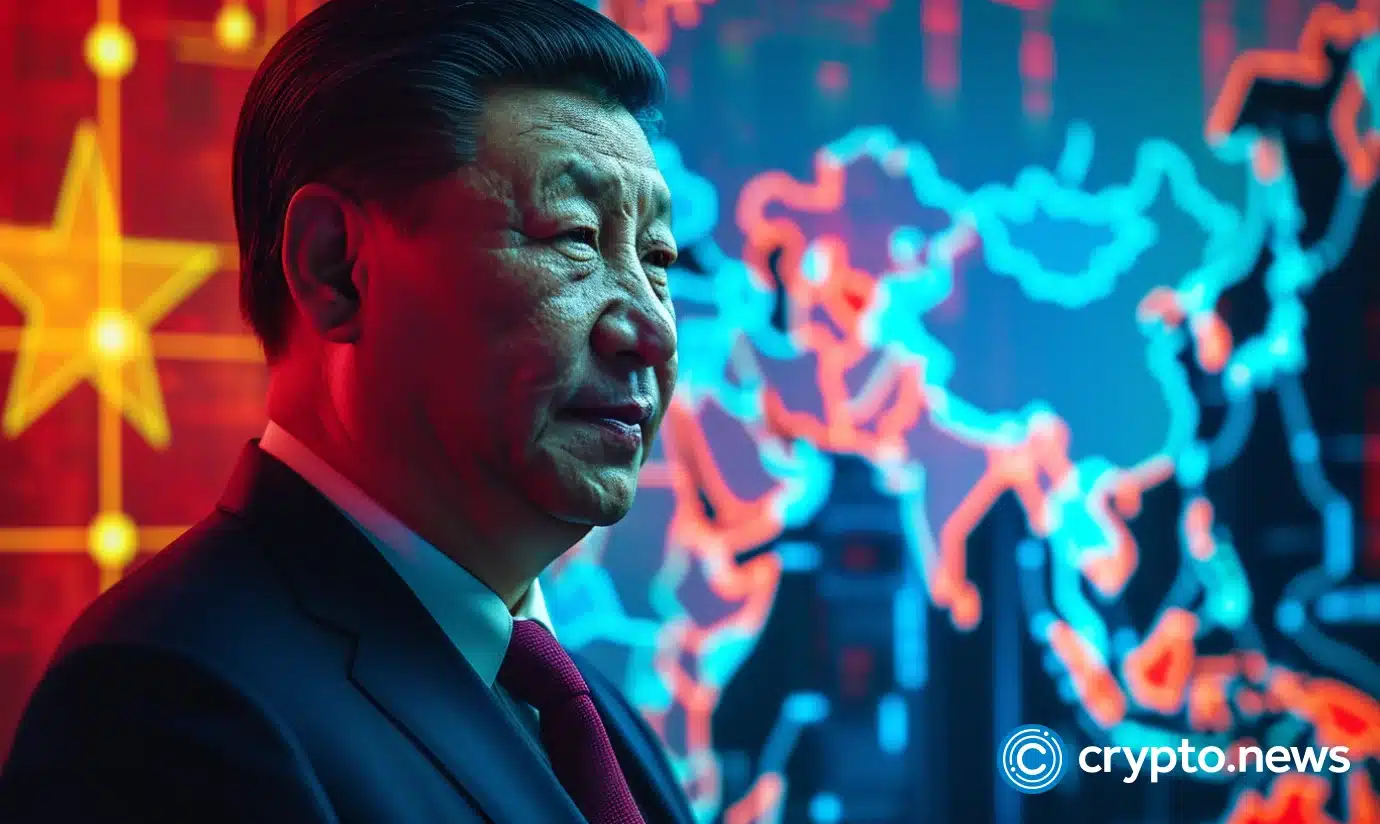
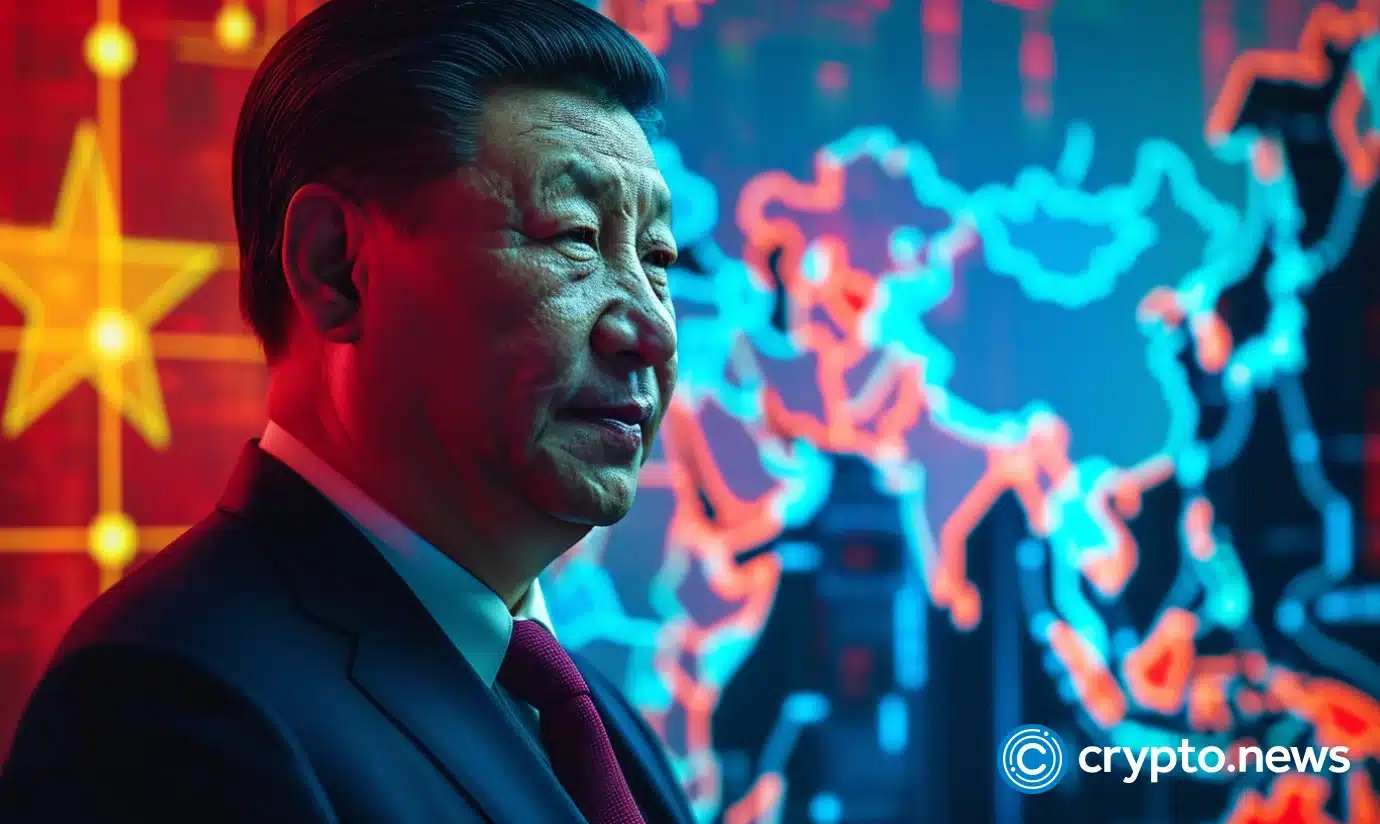
China has blocked Meta’s $2 billion acquisition of AI startup Manus, forcing the U.S. tech company to abandon a deal that had already been completed months earlier.
Summary
- China has ordered Meta to cancel its $2 billion acquisition of AI startup Manus, citing national security concerns around artificial intelligence assets.
- Regulators prevented Manus executives from leaving China during the review, showing tighter control over AI talent and cross-border deals.
According to China’s National Development and Reform Commission, the cancellation order was issued on Monday as authorities moved to prevent the transfer of key artificial intelligence assets to a U.S. firm amid ongoing tensions with Washington.
Officials have been tightening scrutiny over outbound technology deals, particularly those involving advanced AI capabilities and talent.
Meta, the California-based company behind Facebook, had acquired Manus in December for more than $2 billion to strengthen its work on AI agents, which are designed to handle complex digital tasks with limited human input.
Regulatory pressure began building in March when Manus CEO Xiao Hong and chief scientist Ji Yichao were reportedly prevented from leaving China while authorities reviewed the transaction.
AI controls tighten as geopolitical tensions spill into deals
China’s intervention highlights how artificial intelligence has moved into the center of strategic competition between the world’s two largest economies. Alfredo Montufar-Helu, managing director at Ankura China Advisors, said Beijing is now treating AI in the same way it once handled semiconductor restrictions.
“China is saying we will prevent foreign acquisition of assets we consider important for national security — and AI is now clearly one of them,” he said.
State media had earlier described Manus as a potential rival to DeepSeek after the company introduced what it called the first general AI agent capable of handling a wide range of tasks. Despite relocating its headquarters to Singapore later in the year, Manus remained subject to Chinese regulatory oversight, a move that Montufar-Helu said signals relocation does not shield firms from government intervention.
The decision is expected to add friction ahead of a planned mid-May meeting in Beijing between Donald Trump and Xi Jinping, where technology and trade disputes are likely to feature prominently.
Meta deepens internal AI push despite setbacks
Inside Meta Platforms, efforts to expand AI capabilities have continued across its workforce and product strategy.
As previously reported by crypto.news, internal documents cited in reports show the company has introduced tracking software under its Model Ability Initiative to collect employee interaction data, including keystrokes, mouse activity, and periodic screenshots, to improve how AI systems learn real-world computer usage.
In internal communication, Chief Technology Officer Andrew Bosworth said the company is building systems where “our agents primarily do the work and our role is to direct, review and help them improve.”
Company spokesperson Andy Stone said the collected data is used only for model training and not for employee evaluation, noting that AI systems require real examples of everyday computer tasks such as navigation and menu use.
Meta has also been restructuring parts of its engineering teams to support AI-led development, introducing new roles focused on building autonomous systems capable of writing and deploying code.
Alongside these changes, the company is testing a digital version of CEO Mark Zuckerberg designed to interact with employees in real time, trained on his communication style to simulate direct engagement across teams.
Additional initiatives include integrating AI tools more closely with social commerce features on platforms like Instagram and Reels, allowing users to move from content discovery to purchases within the same interface, as the company builds a more automated ecosystem across its services.
