


Risk modeling has become exponentially more sophisticated since the shift to using digital tools occurred. The next stage in the evolution of this process is enabled by a combination of artificial intelligence and the blockchain.
If this sounds intimidatingly complex, don’t worry. Here’s a brief run-through of the main things you need to know about next-gen digital risk modeling.
Dynamic Deployment
Arguably, the most important alteration to occur as a result of migrating risk modeling to the blockchain and integrating AI alongside it is the move to a dynamic approach from a static one.
In other words, rather than auditing risks at periodic intervals, and thus leaving the door open to the most extreme events and those which occur in a flash rather than building steadily, it’s now possible to keep a permanent, watchful eye on activity in real time. As such, it’s possible to be far more proactive in the face of potential catastrophes, with behavioral models making short work of sniffing out suspicious incidents.
Important Applications
In terms of how this tech actually applies in the real world, there are several relevant use cases worth discussing.

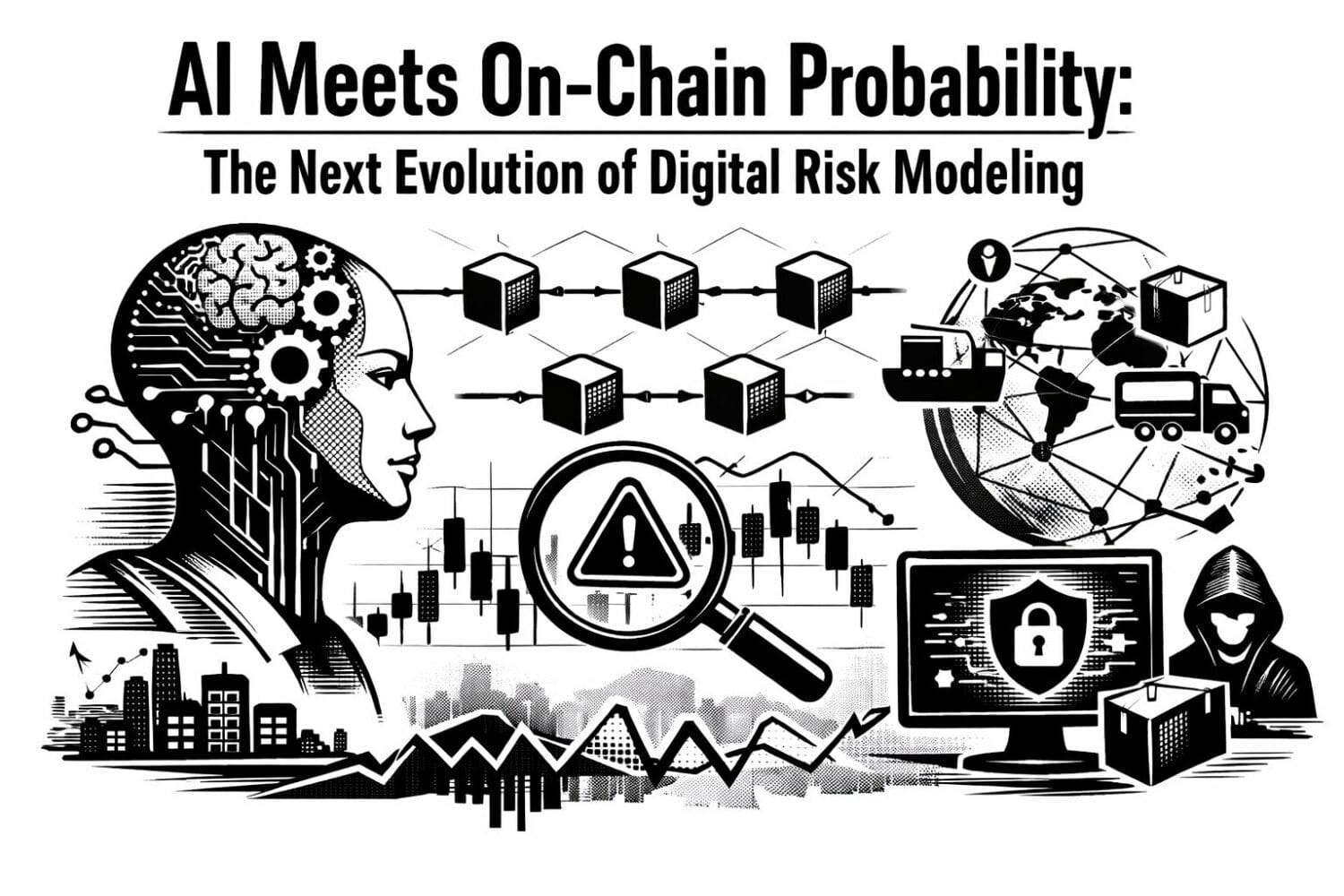
First, there are the upsides for DeFi liquidity management. On-chain, AI-powered risk modeling tools can determine when volatility events are in the offing, and enable DAOs to perform remedial rebalancing sooner rather than later, minimizing the fallout. It’s a little like a player of PowerPlay slots knowing the volatility and RTP of a game before they start spinning the reels. The more information available, the easier it is to make the right decisions sooner, and achieve the best possible outcomes.
Then, there’s supply chain resilience. Tools that can foresee disruptive events based on prior logistics and vendor interactions enable hiccups that might otherwise result in far-reaching, costly supply chain complications to be pinpointed and prevented.
Also, there are implications for cyber threats. As in other contexts, AI can enhance continuous monitoring so that patterns in on-chain activity that suggest malicious behavior can be identified and nipped in the bud, or hedged against, at the earliest possible stage.
New Pain Points
The move to AI and on-chain probability analysis is proving invaluable for digital risk modeling, although it’s not a completely flawless evolution. The chief concern relates to the over-optimization that’s occurring in some contexts.
Put simply, if every org uses AI to single out risk signals, and then reacts in unison using identical tactics, volatility can still arise, negating the effectiveness of the risk management tools. That’s why the push for preserving a high level of human oversight continues in this sphere. Going all-in on automation may cancel itself out if there isn’t a person in the loop to identify risks and take action.
More research and real-world implementation of the technology underpinning this next evolution of digital risk monitoring is required. Thankfully, there’s ample incentive to proceed, since the benefits on offer are likely to outweigh any nascent drawbacks reported so far.
