


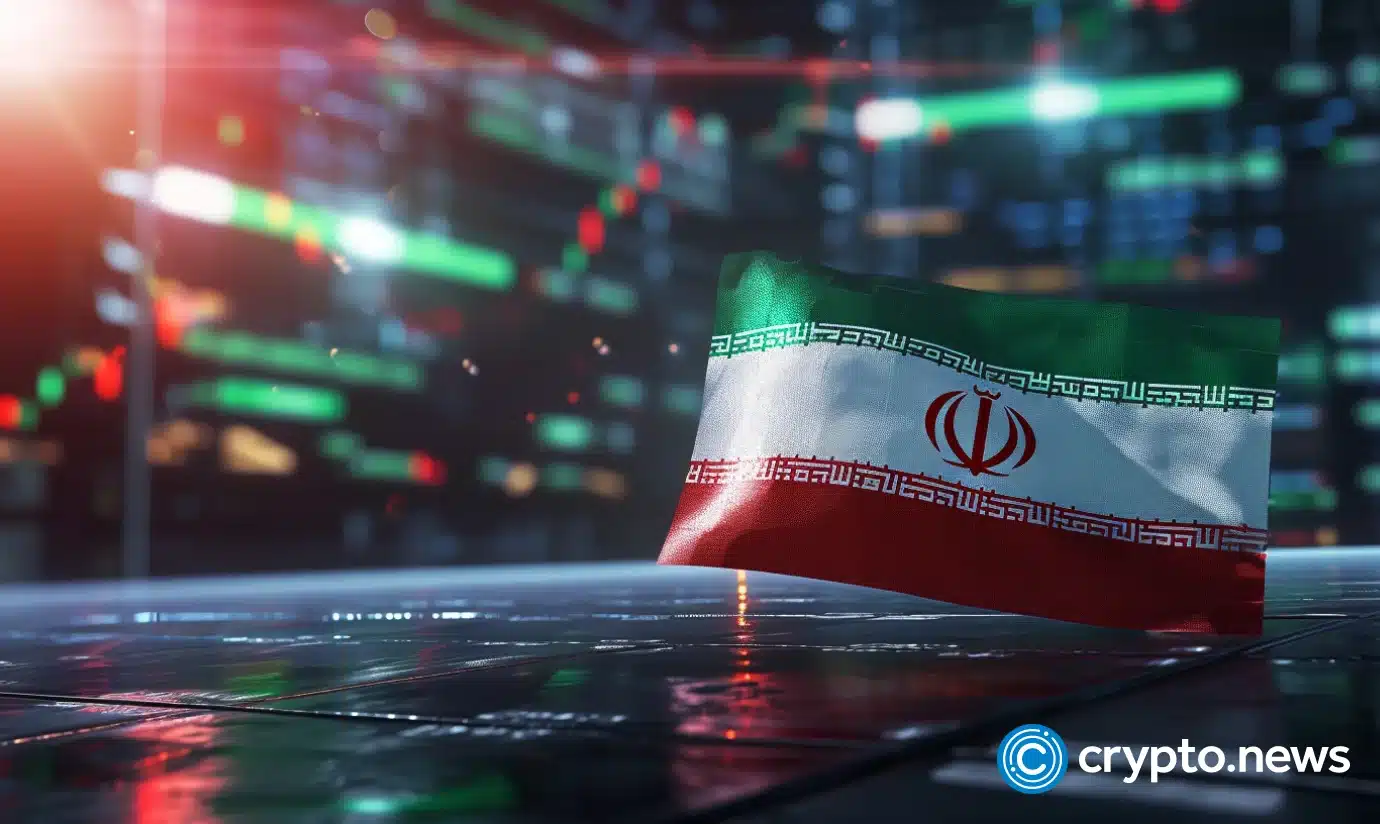
Iran will charge tankers $1 per barrel in bitcoin to cross the Strait of Hormuz during a two‑week US ceasefire, adding a crypto tax to the world’s key oil chokepoint.
Summary
- Iran will charge ships $1 per barrel in crypto to cross the Strait of Hormuz during a two-week US ceasefire.
- Tankers must disclose cargo by email, then get only seconds to pay in bitcoin before passage is cleared.
- The move comes as oil prices whipsaw below $100 amid a fragile truce over a chokepoint that once carried about 20% of global supply.
Iran will force every oil tanker transiting the Strait of Hormuz during the new two-week ceasefire with the US to pay a $1-per-barrel toll in cryptocurrency, turning the world’s most sensitive oil chokepoint into a de facto bitcoin paywall. According to the Financial Times, Tehran will demand that shipping companies settle the fee in digital assets, primarily bitcoin, as it seeks hard-to-trace revenues while sanctions bite. Hamid Hosseini, spokesperson for Iran’s Oil, Gas and Petrochemical Products Exporters’ Union, said the system is designed to slow traffic on Iran’s terms and tighten control over what moves through the corridor.
Under the scheme, tankers must first email Iranian authorities with detailed cargo manifests before entering the strait. Hosseini told the Financial Times that once the email is received and Tehran completes its assessment, “vessels are given a few seconds to pay in bitcoin, ensuring they can’t be traced or confiscated due to sanctions.” He added that “everything can pass through, but the procedure will take time for each vessel, and Iran is not in a rush,” underscoring that the stated aim is to prevent weapons shipments during the pause in fighting. With typical crude cargoes ranging from 500,000 to 2 million barrels, a single transit could mean crypto payments of $500,000 to $2,000,000 per voyage.
Ceasefire, crypto and a global oil lifeline
The toll comes as Washington and Tehran test a fragile truce that hinges on a partial reopening of the Strait of Hormuz, which before the war carried roughly a fifth of the world’s seaborne oil. A senior Iranian official told Reuters that Iran could reopen the strait “limited, under Iran’s control” as early as Thursday or Friday, ahead of talks with US officials in Pakistan. Oil markets have already reacted: Brent futures slid about 13% to roughly $94.76 per barrel and US benchmark WTI dropped more than 15% to around $95.79 after President Donald Trump agreed to the two-week ceasefire, conditional on the “immediate and safe” reopening of the strait.
In Washington, Trump has floated turning the tolls themselves into a joint business model. “We’re thinking of doing it as a joint venture,” he told ABC News’s Jonathan Karl, calling it “a way of securing it — also securing it from lots of other people. It’s a beautiful thing.” That suggestion follows earlier musings that the US could impose its own tolling regime on ships using the strait, effectively monetizing a corridor where even a $1-per-barrel surcharge is a small fraction of crude trading in the mid-$90s but represents a new geopolitical tax on a market still reeling from weeks of war-driven price spikes.
