


Key Takeaways
- While Russians would be permitted to acquire and trade digital assets as speculative holdings, using crypto for commercial transactions would remain banned
- Non-qualified investors would face an annual investment ceiling of 300,000 rubles—approximately $3,834 —when transacting through a single licensed intermediary.
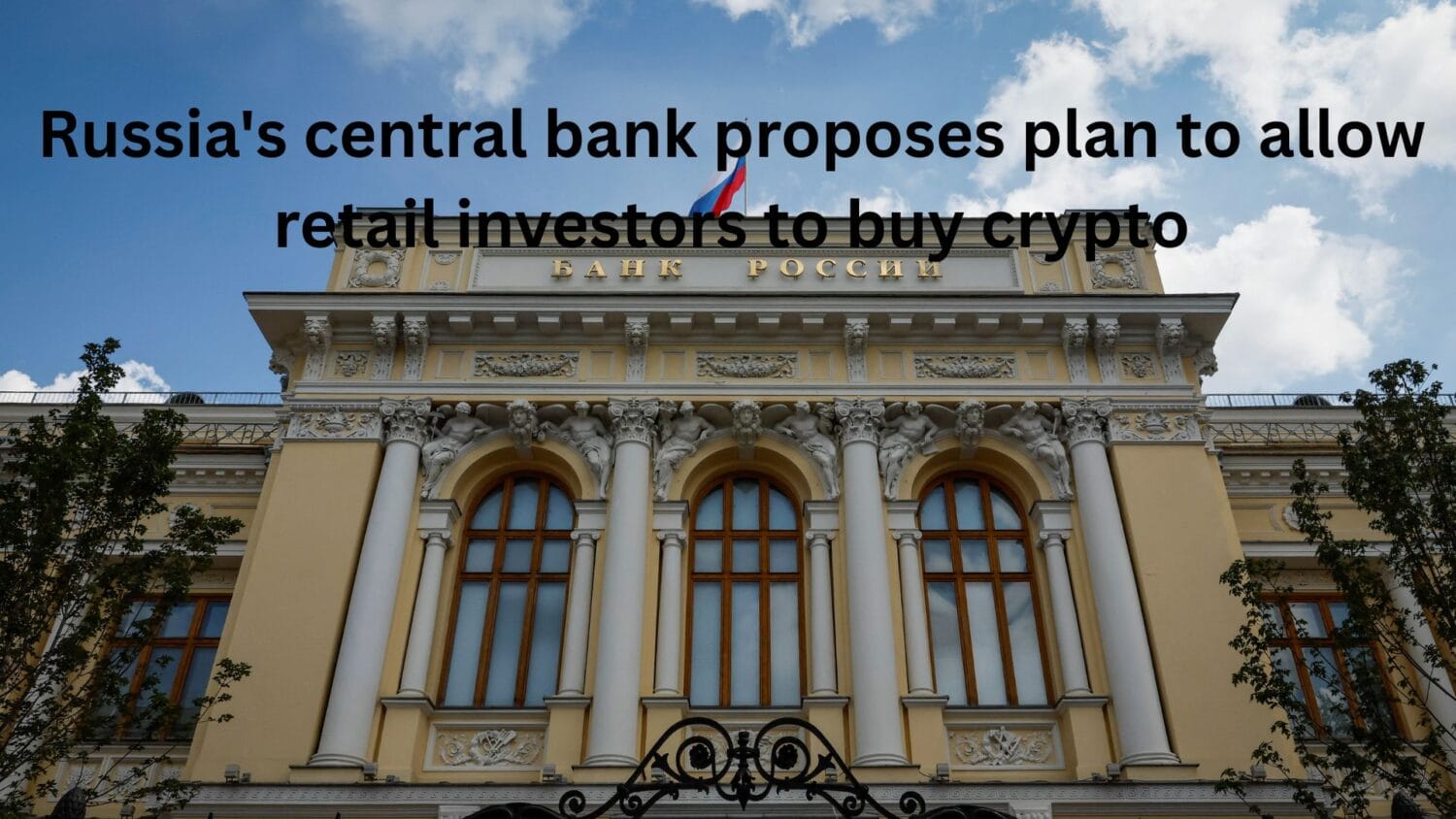
The Bank of Russia has unveiled a comprehensive regulatory proposal that would establish a legal pathway for Russian citizens to invest in crypto.
The framework introduces a bifurcated system distinguishing between retail and professional market participants, each subject to distinct regulations and investment thresholds. Under the proposed rules, everyday investors would gain limited but legitimate access to crypto markets after demonstrating baseline knowledge of digital asset risks.
For retail participants, the central bank has outlined strict parameters. These investors must successfully complete a mandatory assessment evaluating their understanding of cryptocurrency markets before making any purchases. Once certified, they would face an annual investment ceiling of 300,000 rubles—approximately $3,834 at current exchange rates—when transacting through a single licensed intermediary.
Their purchasing options would be further restricted to highly liquid digital currencies, with Bitcoin expected to feature prominently among approved assets.

Professional investors, by contrast, would operate under considerably fewer restrictions. While still required to pass the knowledge verification process, these qualified participants would face no annual spending limits and could access a broader spectrum of crypto. The sole exception involves privacy-focused tokens, which would remain off-limits regardless of investor classification.
The regulatory proposal maintains a firm distinction between investment and payment functionality. While Russians would be permitted to acquire and trade digital assets as speculative holdings, using crypto for commercial transactions—purchasing goods or services—would remain explicitly prohibited. The central bank’s rationale centers on volatility concerns, the absence of government guarantees, and potential sanctions complications.
Under the proposal, all crypto transactions under the new regime would flow through Russia’s existing licensed financial infrastructure. Exchanges, brokerage firms, and trustees currently authorized to operate would handle digital asset trades, though the proposal introduces additional licensing requirements for specialized crypto depositories and exchange services.
The framework also addresses cross-border asset movements. Investors would be permitted to transfer cryptocurrencies through foreign accounts, but such transactions would require mandatory disclosure to Russian tax authorities. This reporting requirement aims to balance international capital mobility with domestic transparency obligations.
In its justification, the Bank of Russia emphasised that stablecoins and other digital currencies would be classified as monetary assets suitable for buying and selling, even as they remain unsuitable for everyday payments.
The proposal has now been formally submitted to the Russian government for legislative review. This development comes in the wake of recent moves by major Russian financial institutions to expand cryptocurrency services, including Sberbank’s custody platform launch, suggesting growing institutional appetite for digital asset exposure in the country.
